 Coil
Metal Detecting in Indiana: Laws and Where You Can Go
Researched guide: written from manufacturer documentation and the sources listed at the end. Facts last checked November 25, 2026.
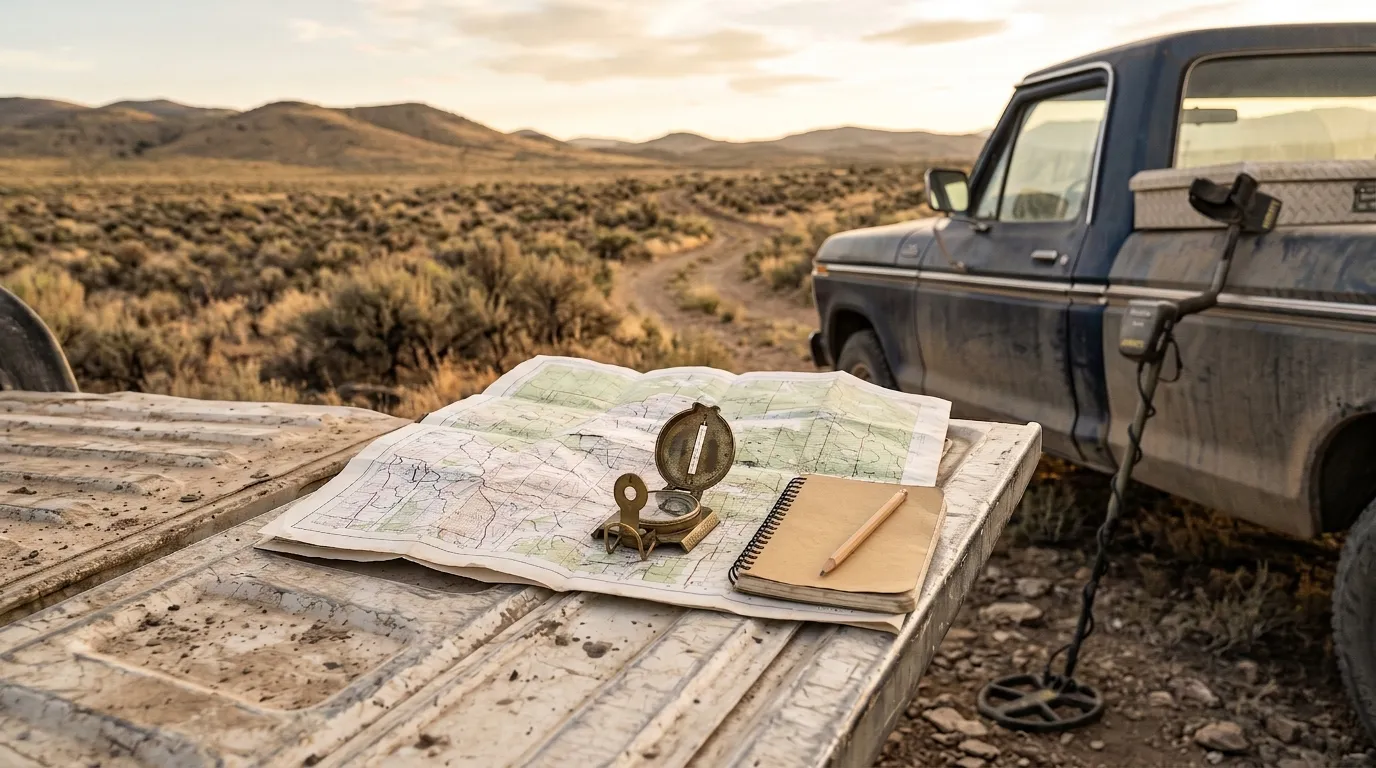
Indiana keeps its DNR land largely closed to detecting, with an exception for approved swimming beaches, and it has one of the few state archaeology laws that reaches private land: digging pre-1870 sites needs a DNR-approved plan even with the owner’s permission.
This page summarizes the official rules as of the date above. It is not legal advice; rules change, so check with the land manager before you go. For the federal background, see is metal detecting legal?.
Quick answer
| Where | Metal detecting |
|---|---|
| DNR property (parks, forests, fish and wildlife areas) | Only on approved sand swimming beaches |
| Indiana Dunes State Park beach | September to May with written permission (confirm) |
| Indiana Dunes National Park | Prohibited, including beaches |
| Private land | Owner’s permission; pre-1870 sites need a DNR plan to dig |
| Hoosier National Forest | Developed recreation areas; surface only except designated beaches |
| Corps of Engineers lakes | Designated beaches and disturbed areas |
DNR property
Indiana’s rule for every DNR property (312 IAC 8-2-10) says that, except as authorized by a license, a person must not:
- use a metal detector, except on a sand swimming beach approved by an authorized representative;
- dig or excavate any material from the ground;
- damage or remove an artifact, rock, mineral, shipwreck, or archeological or historic site;
- sell anything taken from a DNR property; or
- use a magnet to remove items from public waters on a DNR property. Magnet fishing needs a free permit from the property.
This covers state parks, state forests, fish and wildlife areas, reservoirs and nature preserves.
Indiana Dunes
- Indiana Dunes State Park: a DNR park map said metal detectors are allowed on the beach from September to May with written permission from the property manager. That document is several years old, so confirm with the park office.
- Indiana Dunes National Park: the National Park Service says federal law strictly bans metal detecting and collecting natural items in the park, including all beaches.
Archaeology law: private land too
According to the Indiana Division of Historic Preservation and Archaeology, Indiana Code 14-21-1 protects archaeological sites and historic burial sites on state and private land:
- Protected artifacts are objects made, modified or used before December 31, 1870.
- Collecting artifacts from the surface is legal with the landowner’s permission, except on state and federal property.
- Disturbing the ground to discover or move pre-1870 artifacts, or human remains buried before 1940, requires a DNR-approved plan. Without one it is a Class A misdemeanor, and a Level 6 felony if human remains are disturbed.
- If you accidentally find such material while digging for another purpose, stop work within 100 feet and notify the DNR within two business days.
- Possessing looted artifacts is a Level 6 felony.
In practice, a detectorist digging coins on an old farm may need to think twice if the site has pre-1870 material.
Gold prospecting
Indiana DNR says state park and state wildlife properties do not authorize gold prospecting. State and national forests require an additional free permit, and the general license does not give anyone the right to trespass.
Hoosier National Forest
- Metal detecting: allowed only in developed recreation areas for items with no historical value. Only surface collecting is allowed, except at designated beaches, where sifting sand for modern items is permitted. Disturbing archaeological sites is prohibited.
- Rocks and geodes: small quantities of rocks may be collected for personal use without disturbing the earth, and may not be sold. Geodes are found mainly in stream beds in the northern part of the forest. Gold panning and mineral collecting, including geodes, are prohibited in the Charles C. Deam Wilderness.
Corps of Engineers lakes
At Corps lakes such as Monroe, Brookville and Patoka, federal rules permit metal detectors on designated beaches or previously disturbed areas unless the district prohibits it; ask the lake office.
Before you go
- DNR property: ask the property for an approved swimming beach.
- Private land: get permission, and avoid digging old sites without a DNR plan.
- Stay out of Indiana Dunes National Park with a detector.
- Stop and report if you uncover human remains.
New to detecting? Start with metal detecting for beginners.
Get new guides by email
One short email a week with new detecting, rockhounding and tumbling guides. You also get our printable rock tumbling grit schedule.
No spam. Unsubscribe anytime. Privacy
Frequently asked questions
Can you metal detect in Indiana state parks?
Only on a sand swimming beach approved by an authorized DNR representative. Otherwise, using a metal detector, digging, or removing artifacts, rocks or minerals is prohibited on all DNR property without a license.
Can you metal detect at Indiana Dunes?
Not in Indiana Dunes National Park, where federal law bans metal detecting, including on all beaches. Indiana Dunes State Park has allowed beach detecting from September to May with the property manager's written permission; confirm with the park office.
Is it legal to dig artifacts on private land in Indiana?
Not freely. Indiana's archaeology law protects sites with artifacts dating before December 31, 1870 on private land too. Surface collecting with the landowner's permission is legal, but digging to find or move such artifacts requires a DNR-approved plan, and violating that is a Class A misdemeanor, or a felony if human remains are disturbed.
Can I metal detect in Hoosier National Forest?
Yes, in developed recreation areas for items with no historical value. Only surface collecting is allowed, except at designated beaches where sifting sand for modern items is permitted.
Sources
- 312 IAC 8-2-10 (DNR properties), via Cornell LII
- Indiana DNR: State park rules and regulations
- Indiana DNR: Magnet fishing
- Indiana DHPA: Indiana archaeology law (PDF)
- Indiana DNR: Recreational gold prospecting
- NPS Indiana Dunes: Park guide 2026-27 (PDF)
- Hoosier National Forest: Rules and regulations
- Hoosier National Forest: Forest product permits
- 36 CFR 327.14 (Corps of Engineers lakes), via Cornell LII