 Coil
Metal Detecting in Mississippi: Laws, Gulf Beaches and Where You Can Go
Researched guide: written from manufacturer documentation and the sources listed at the end. Facts last checked November 26, 2026.
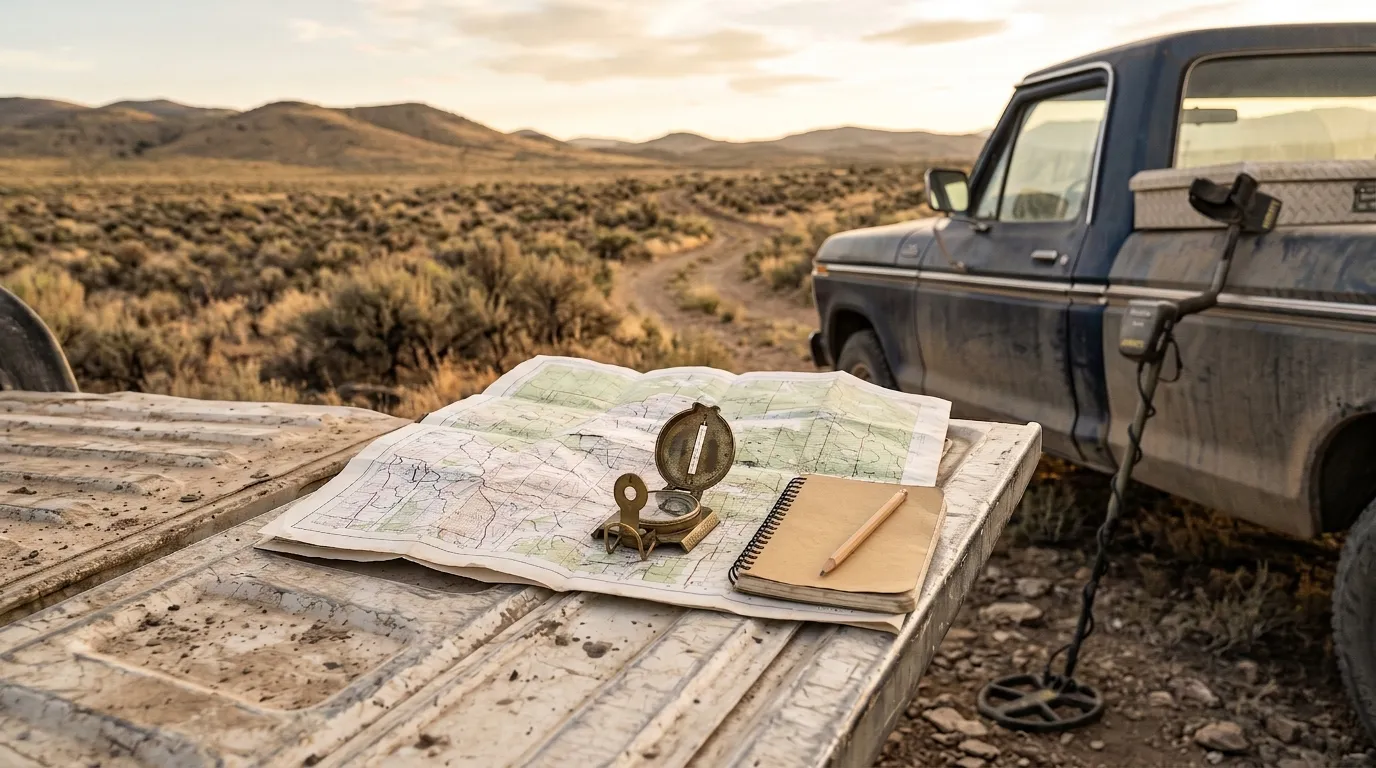
Mississippi’s Gulf Coast draws beach hunters, and the Civil War left relics across the state. But state parks and wildlife areas ban detectors outright, and the Antiquities Law claims treasure on state land, tidelands and even city property. The Corps lakes in north Mississippi are the clearest legal option.
This page summarizes the official rules as of the date above. It is not legal advice; rules change, so check with the land manager before you go. For the federal background, see is metal detecting legal?.
Quick answer
| Where | Metal detecting |
|---|---|
| State parks | Prohibited |
| Wildlife management areas | Prohibited |
| Coastal Preserve Areas | Prohibited |
| Harrison County Sand Beach | No posted rule; state owns historic treasure |
| Ross Barnett Reservoir | Written permission from the district |
| Corps lakes (Sardis, Grenada, Enid, Arkabutla) | Written permit |
| Gulf Islands, Vicksburg, Natchez Trace | Prohibited |
| National forests | Allowed away from cultural sites |
State parks and WMAs
Mississippi’s state park rules state flatly: no one shall use metal detectors on any Mississippi state park. Removing rocks, minerals or historical artifacts is also prohibited without the agency director’s authorization. The wildlife management area rules carry the same ban: no one shall use metal detectors on any WMA.
Gulf Coast beaches
- Harrison County Sand Beach (Biloxi, Gulfport, Long Beach, Pass Christian): the county’s posted rules ban glass, vehicles, animals, fires and similar items but don’t address metal detecting. That isn’t the same as permission; the state’s Antiquities Law (below) still applies to wrecks and treasure on tidelands.
- Coastal Preserve Areas: the Department of Marine Resources says metal detectors are prohibited on all coastal preserves, and artifacts there are state property.
- Gulf Islands National Seashore (Ship, Horn, Petit Bois and Cat islands, Davis Bayou): metal detectors are prohibited in all areas of the park. Empty seashells may be collected.
The Antiquities Law
- All sunken or abandoned ships, wrecks and treasure embedded in the earth on state land, including tidelands, submerged lands and river beds, are Mississippi landmarks and the sole property of the state. They can’t be taken or excavated without a permit.
- Archaeological sites on land belonging to the state or any county, city or political subdivision are also state property.
- On private land, entering and digging or removing artifacts or archaeological sites without the owner’s written consent is prohibited.
- Violations are misdemeanors with fines of $500 to $5,000, up to 30 days in jail, or both, and each day is a separate offense. The state can pay a finder’s fee of up to $500 for information leading to a conviction.
The Department of Archives and History says removing artifacts from state or federal land is illegal, that artifacts on private property belong to the landowner, and that you should collect there only with written permission.
Burials
- Disturbing any prehistoric or historic American Indian burial requires both a state permit and the landowner’s written permission, even on private land.
- Desecrating a cemetery can bring up to a year in jail or a $500 fine; desecrating human remains is a felony, with up to three years or $5,000.
- If you find bones, call local law enforcement. Historic remains go to the county coroner; prehistoric remains to MDAH archaeology.
Ross Barnett Reservoir
The Pearl River Valley Water Supply District’s campground rules say no one may use metal detectors without written permission from the district’s general manager or a designee.
Corps of Engineers lakes
At Arkabutla, Sardis, Enid and Grenada, the Vicksburg District uses a written metal detector permit:
- Apply at least 30 days in advance.
- Detecting is allowed on beaches and previously disturbed areas without archaeological resources, and prohibited around occupied campsites.
- Coins and other non-identifiable items worth less than $25 may be kept; rings, watches and other identifiable items must be turned in, along with anything historical.
- Dig only with one-handed tools no larger than 4 inches wide and 12 inches long, and remove trash and restore the soil.
For Mobile District projects such as Okatibbee and the Tennessee-Tombigbee Waterway, federal rules allow detectors on designated beaches or disturbed areas unless the district prohibits it; ask the project office.
Federal land
- Vicksburg National Military Park: relic hunting is prohibited, and so is possessing or using metal detectors.
- Natchez Trace Parkway: no digging, collecting artifacts or using metal detectors; equipment can be confiscated.
- National forests (Bienville, De Soto, Delta, Holly Springs, Homochitto, Tombigbee): federal rules prohibit digging in or removing historic or archaeological resources. Call the ranger district before detecting.
Before you go
- Leave the detector out of state parks, WMAs and coastal preserves.
- Apply for a Corps permit a month before a north Mississippi lake trip.
- Get written permission for private land.
- Report bones to law enforcement right away.
New to detecting? Start with metal detecting for beginners, and for the Gulf see the best metal detector for the beach.
Get new guides by email
One short email a week with new detecting, rockhounding and tumbling guides. You also get our printable rock tumbling grit schedule.
No spam. Unsubscribe anytime. Privacy
Frequently asked questions
Can you metal detect in Mississippi state parks?
No. Mississippi's state park rules say no one shall use metal detectors on any state park, and the same ban applies on all wildlife management areas.
Can you metal detect on the beach in Biloxi or Gulfport?
Harrison County's posted Sand Beach rules don't address metal detecting. But treasure and wrecks on state tidelands belong to the state under the Antiquities Law, so keep to modern lost items, fill your holes, and ask the Sand Beach Authority if unsure.
Can you metal detect at Sardis, Grenada, Enid or Arkabutla Lake?
Yes, with a written Corps of Engineers permit applied for at least 30 days in advance. Detecting is allowed on beaches and previously disturbed areas, not around occupied campsites, using one-handed tools no larger than 4 by 12 inches.
Who owns artifacts found on private land in Mississippi?
The landowner. Collect only with the owner's written permission. American Indian burials are different: disturbing them requires both a state permit and the landowner's written permission.
Sources
- MDWFP: State park rules, 40 Miss. Admin. Code Pt. 6 R. 1.2 (PDF, 2023)
- MDWFP: 2024-25 WMA rules (PDF)
- Miss. Code 39-7-35 (Antiquities Law penalties), via Justia (archived)
- MDAH: Archaeology
- Harrison County: Rules of the beach
- MDMR: Coastal Preserves FAQ (PDF, 2024)
- Pearl River Valley Water Supply District: Campground rules (PDF, 2026)
- USACE Vicksburg District: Metal detector permit, Mississippi lakes (PDF)
- NPS Gulf Islands National Seashore: Laws and policies
- NPS Vicksburg National Military Park: Safety
- NPS Natchez Trace Parkway: What if I find an artifact?
- 36 CFR 261.9 (national forests), via Cornell LII