 Coil
Metal Detecting in New Jersey: Laws and Where You Can Go
Researched guide: written from manufacturer documentation and the sources listed at the end. Facts last checked November 25, 2026.
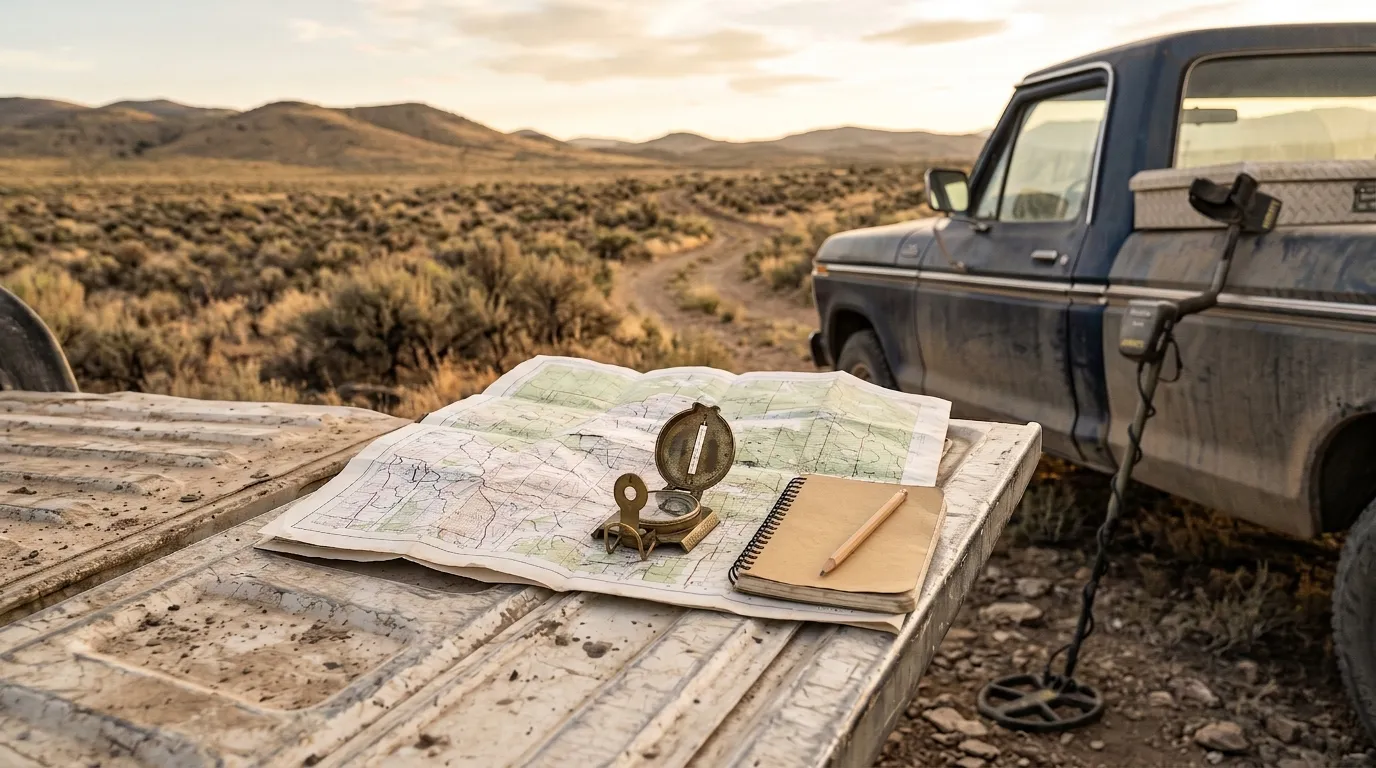
New Jersey has a long, busy coastline and a lot of colonial and Revolutionary history. Detecting on state land is possible with a permit, but wildlife management areas are closed, and New Jersey has an anti-looting law that reaches county and town land as well as state property.
This page summarizes the official rules as of the date above. It is not legal advice; rules change, so check with the land manager before you go. For the federal background, see is metal detecting legal?.
Quick answer
| Where | Metal detecting |
|---|---|
| State parks and forests | Permit from the park superintendent |
| Wildlife management areas | Prohibited |
| Sandy Hook (Gateway NRA) | Prohibited |
| County and town parks and beaches | Local rules; anti-looting law applies |
| Private land | With the owner’s permission |
State parks and forests
Under N.J.A.C. 7:2-2.16, no one may use a metal detector or similar device without a permit issued by the park superintendent or a designee. The permit may limit location, hours and days of use, and permits are not issued for areas of significant historical value or where detecting would harm resources or interfere with public use.
The same State Park Service Code prohibits digging up or removing soil, rock, historic or fossil materials or artifacts without written permission from the Division of Parks and Forestry. In practice, ask at the park office: some parks issue permits for a sandy beach area, while historic sites generally do not allow it.
Wildlife management areas
NJ Fish and Wildlife lists metal detecting among prohibited activities on wildlife management areas, along with camping, geocaching and removing timber. Penalties run from $50 to $1,500, and a second violation of WMA rules brings a five-year loss of all sporting licenses.
The anti-looting law
New Jersey’s Historic Preservation Office explains that state law makes it illegal to destroy, disturb, remove, sell or receive archaeological artifacts from public property. The protection extends beyond state parks to wildlife areas, reservoir lands and county and municipal land, and “archaeological findings” include historic and prehistoric relics, artifacts and fossils. Leave anything old on public land in place.
Beaches
- State park beaches: a permit from the superintendent is required, under the same rule as other state park land.
- Sandy Hook: part of Gateway National Recreation Area, where metal detectors are not allowed and all historic objects are protected.
- Town beaches: Jersey Shore towns set their own rules, and many protect dunes and restrict digging and sand removal. Check the town’s beach rules or ask the beach office.
Federal land
Gateway National Recreation Area and other National Park Service units prohibit possessing or using a metal detector unless it is broken down and stored.
Before you go
- Get a superintendent’s permit for state park detecting.
- Skip wildlife management areas.
- Check town rules for each beach.
- Leave artifacts on any public land in place.
New to detecting? Start with metal detecting for beginners, and see our beach detector guide.
Get new guides by email
One short email a week with new detecting, rockhounding and tumbling guides. You also get our printable rock tumbling grit schedule.
No spam. Unsubscribe anytime. Privacy
Frequently asked questions
Can you metal detect in New Jersey state parks?
With a permit. New Jersey's rule says no one may use a metal detector without a permit from the park superintendent, which may limit location, hours and days, and is not issued for areas of significant historical value.
Can you metal detect in New Jersey wildlife management areas?
No. NJ Fish and Wildlife lists metal detecting among prohibited activities on wildlife management areas.
Can you metal detect at Sandy Hook?
No. Sandy Hook is part of Gateway National Recreation Area, where metal detectors are not allowed.
Can I metal detect on Jersey Shore town beaches?
It depends on the town. Many shore towns protect dunes and limit digging, so check the municipal code or ask the beach office before detecting.
Sources
- N.J.A.C. 7:2-2.16 (metal detectors, state parks and forests), via Cornell LII
- NJ DEP: State Park Service Code, N.J.A.C. 7:2 (PDF)
- NJ Fish and Wildlife: Wildlife management area rules, Hunting Digest (PDF)
- NJ Historic Preservation Office: Laws
- NPS Gateway National Recreation Area: Laws and policies
- 36 CFR 2.1 (national parks), via Cornell LII