 Coil
Metal Detecting in North Carolina: Laws, Beaches and Where You Can Go
Researched guide: written from manufacturer documentation and the sources listed at the end. Facts last checked November 26, 2026.
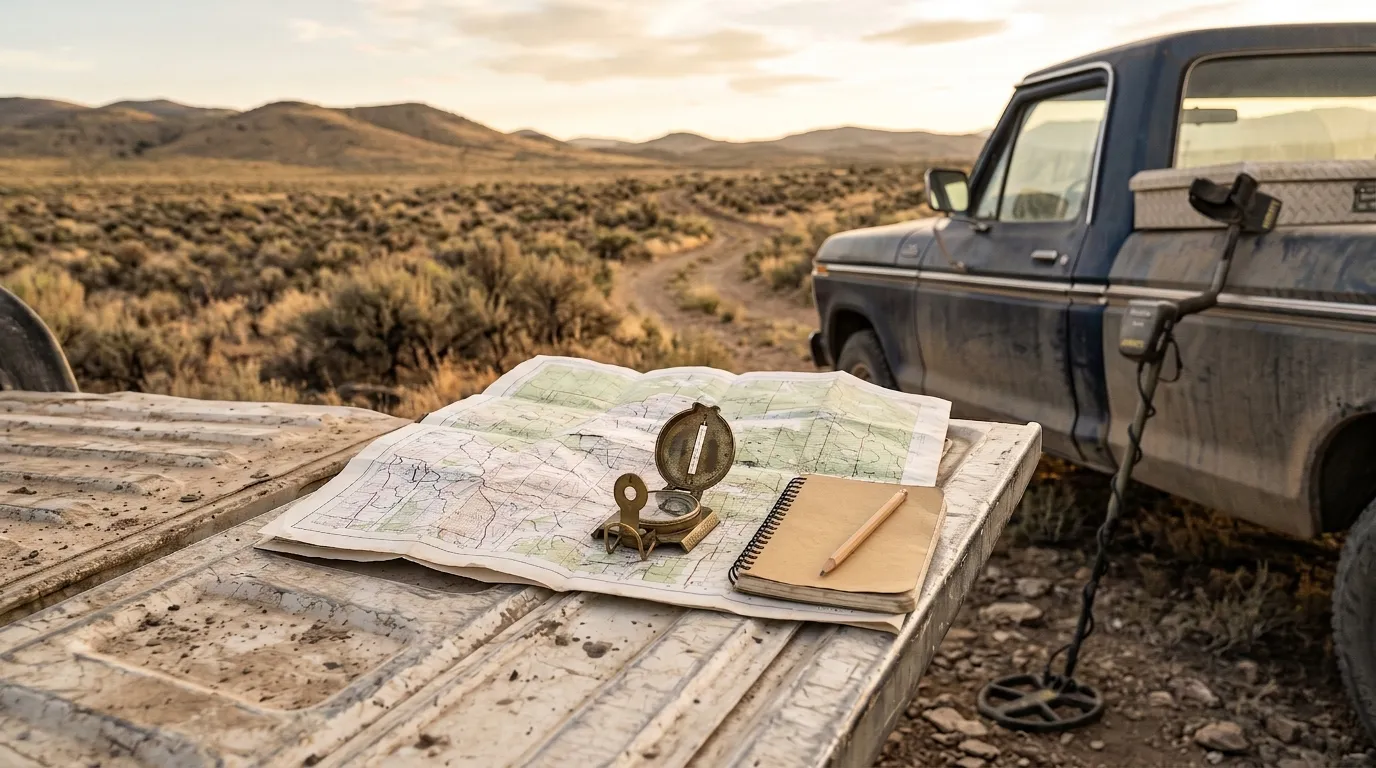
North Carolina has a long barrier island coast with many shipwrecks. Detecting there is mostly a town-by-town question: state parks ban detectors, the national seashores ban them, and beach towns set their own rules.
This page summarizes the official rules as of the date above. It is not legal advice; rules change, so check with the land manager before you go. For the federal background, see is metal detecting legal?.
Quick answer
| Where | Metal detecting |
|---|---|
| State parks and recreation areas | Prohibited, except lost-property search with a permit |
| Town beaches | Local ordinance; some allow it |
| Cape Hatteras and Cape Lookout national seashores | Prohibited |
| National forests | Only in designated areas |
| State forests | Permit required |
| Corps of Engineers lakes | Designated beaches and disturbed areas (not state recreation areas) |
| Private land | With the owner’s permission |
North Carolina state parks
The rule is titled “Metal detectors prohibited”: metal detectors are not allowed in any park area except to locate lost personal property when authorized by a Special Use Permit. Park rules also prohibit removing or damaging any plant, mineral or artifact without an approved scientific or educational collection permit, and research permits for personal or commercial collecting are denied. Violations are Class 3 misdemeanors.
This covers state recreation areas run by NC Parks, such as Falls Lake and Jordan Lake.
Beaches
North Carolina’s Department of Environmental Quality says local ordinances may govern metal detectors on beaches that are not state parks, and advises contacting the beach town. Two examples:
- Nags Head: you can use a metal detector on the public beach. Keep holes small and do not leave them unattended.
- Oak Island: detecting is allowed on public beach areas as long as you stay off private property and fill all holes. The town’s hole rules say beach holes may be no deeper than 12 inches, may be dug only with children’s toy shovels, must be attended, and must be filled by 6 p.m.
Much of Hatteras and Ocracoke islands and all of Cape Lookout lie within national seashores, where detectors are banned (see below).
Shipwrecks and underwater finds
North Carolina holds title to all shipwrecks, vessels, cargo and underwater archaeological artifacts that have remained unclaimed for more than 10 years on the bottoms of its navigable waters, out to one marine league (about three nautical miles) off the Atlantic shore. Any exploration, recovery or salvage that could remove or disturb them requires a permit, and violations are Class 1 misdemeanors.
The Underwater Archaeology Branch asks visitors to its heritage dive sites who see an unusual artifact to leave it, note its location, and report it.
Archaeology on state land
North Carolina’s Archaeological Resources Protection Act covers remains at least 50 years old of archaeological interest, including pottery, bottles, weapons, projectiles and tools, on any land owned, occupied or controlled by the state. Knowingly and willfully excavating, removing or damaging them without a permit can bring a fine of up to $2,000, up to six months in jail, or both, with each day a separate offense, plus civil penalties of up to $5,000. Equipment and vehicles used can be forfeited, and highway rights-of-way are excluded.
State forests, game lands and private land
- State forests: you need a permit to use a metal detector on any State Forest, State Recreational Forest or Educational State Forest, and you may not remove artifacts, rocks or minerals.
- Game lands: entry for purposes other than hunting, trapping or fishing is as the landowner authorizes, and on state-owned or state-controlled game lands the state archaeology law applies.
- Private land: DEQ requires no permit of its own, but you must have the landowner’s permission.
Gems and gold
NC DEQ says you may not carry off rocks or minerals from state parks or recreation areas, and may not hunt, pan or dig on private property without permission, noting that private property can extend into rivers and streams. A number of private mines let visitors dig for a fee.
In the national forests, recreational gold panning is allowed in stream beds without disturbing banks, using a standard gold pan, with only the pan edge or a small hand trowel to loosen gravel. Shovels, sluice boxes and dredges are prohibited. Surface rock and mineral collecting is generally limited to about 10 pounds. Collecting is not allowed in wilderness areas, historic trails or wild and scenic river corridors.
Federal land
- Cape Hatteras National Seashore: use of metal detectors is prohibited.
- Cape Lookout National Seashore: metal detectors are prohibited in all areas, including the beaches of Shackleford Banks, Core Banks and Shell Point, and everything on the beach except shells and driftwood is protected.
- National forests: possessing or using a metal detector outside designated open areas is prohibited, with fines of up to $5,000 for an individual, up to six months in jail, or both. The listed locations are: King’s Mountain Point (Uwharrie), Lake Powhatan (Pisgah), Jackrabbit Mountain Beach (Tusquitee), Cheoah Point Beach and Flanner’s Beach (Croatan). Ray Mine (Appalachian) is also on the list, but it was closed by a Hurricane Helene order in 2025; check with the ranger district before going.
- Corps of Engineers lakes: metal detectors are permitted on designated beaches or previously disturbed areas unless the district closes them; ask the project office. Falls, Jordan and Kerr lakes have state recreation areas run by NC Parks, where the state park ban applies.
Before you go
- Check the town ordinance for the beach you plan to search.
- Keep the detector out of state parks and national seashores, and get a permit for state forests.
- Fill holes, and stay off dunes and private property.
- Report shipwreck material instead of taking it.
New to detecting? Start with metal detecting for beginners, and see our beach detector guide.
Get new guides by email
One short email a week with new detecting, rockhounding and tumbling guides. You also get our printable rock tumbling grit schedule.
No spam. Unsubscribe anytime. Privacy
Frequently asked questions
Can you metal detect in North Carolina state parks?
No. State park rules say metal detectors are not allowed in any park area except to find your own lost personal property, and only with a Special Use Permit. Violations are Class 3 misdemeanors.
Is metal detecting allowed on North Carolina beaches?
On town beaches, it depends on local ordinances. Nags Head says you can use a metal detector on its public beach, and Oak Island allows it with strict hole rules. Cape Hatteras and Cape Lookout national seashores prohibit metal detectors.
Can I metal detect in North Carolina national forests?
Only in certain designated areas, such as Flanner's Beach in the Croatan, Lake Powhatan in the Pisgah district, and King's Mountain Point in the Uwharrie. Using or possessing a detector elsewhere can bring fines.
Can I keep shipwreck items I find in North Carolina?
Not without a state permit or license. The state holds title to shipwrecks and underwater artifacts unclaimed for more than 10 years in state waters, and recovering them without a permit is a Class 1 misdemeanor.
Sources
- 07 NCAC 13B .0203 Metal detectors prohibited, via Cornell LII
- 02 NCAC 60B .1028 (state forests), via Cornell LII
- 15A NCAC 10D .0102 (game lands), via Cornell LII
- N.C.G.S. 143B-135.16 (state park rule violations)
- National Forests in North Carolina: Metal detector order (PDF)
- NC State Parks: Park rules and regulations
- NC DEQ: Metal detectors
- NC DEQ: Gems and gold panning
- Town of Nags Head: FAQ (metal detectors)
- Town of Oak Island: Beach rules
- N.C.G.S. Chapter 70, Article 2 (Archaeological Resources Protection Act)
- N.C.G.S. Chapter 121, Article 3 (salvage of abandoned shipwrecks)
- NC Underwater Archaeology Branch: Heritage dive sites
- National Forests in North Carolina: Recreational mineral collection
- NPS Cape Hatteras National Seashore: FAQ
- NPS Cape Lookout National Seashore: FAQ
- 36 CFR 327.14 (Corps of Engineers lakes), via Cornell LII