 Coil
Metal Detecting in Minnesota: Laws, Lake Superior Agates and Where You Can Go
Researched guide: written from manufacturer documentation and the sources listed at the end. Facts last checked November 25, 2026.
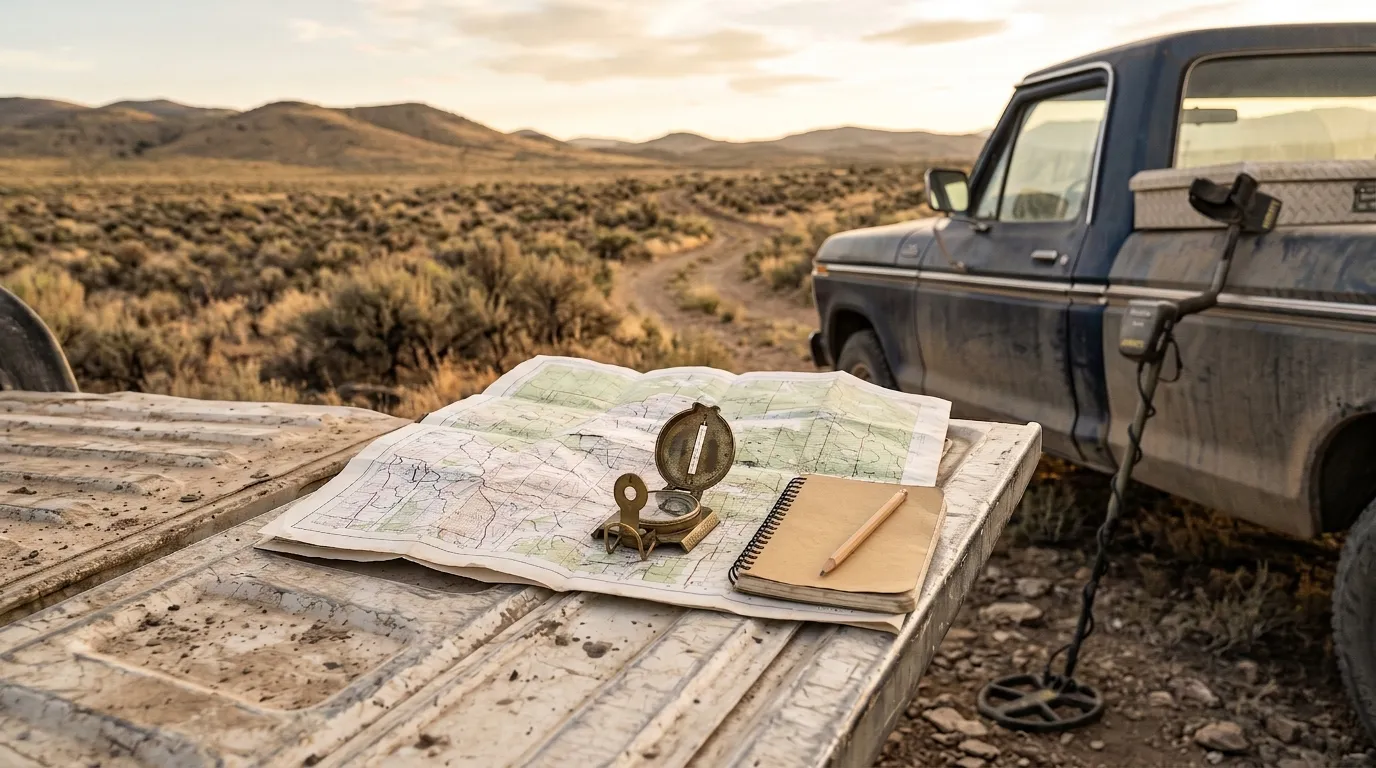
Minnesota’s 10,000 lakes and Lake Superior shoreline draw both detectorists and agate hunters. The rules are tight for state parks and for anything historic on public land, but agate hunting on public Lake Superior beaches and hand panning in state waters are open.
This page summarizes the official rules as of the date above. It is not legal advice; rules change, so check with the land manager before you go. For the federal background, see is metal detecting legal?.
Quick answer
| Where | Metal detecting |
|---|---|
| State parks | Only to find a specific lost item, with written permission |
| Lake and stream bottoms, state lands, local government land | No searching for or removing historic items |
| Lake Superior public beaches | Agate hunting popular; state park beaches excluded |
| State parks, recreation areas, SNAs | No rock collecting |
| Corps of Engineers lakes | Designated beaches and disturbed areas |
| Voyageurs National Park | Prohibited |
Minnesota state parks
The state park rule (Minn. R. 6100.0900) says that, apart from licensed scientific research, metal detectors in state parks may be used only to locate specifically identified items of lost personal property, with the park manager’s prior written permission and under their supervision. DNR’s state park rules page states it more bluntly: use of metal detectors is prohibited.
Park rules also prohibit removing geological formations or historical and archaeological artifacts.
Historic items on public land
According to Minnesota’s Office of the State Archaeologist:
- Only archaeologists licensed by the state archaeologist and the Minnesota Historical Society may look for historic and archaeological material on non-federal public land.
- That includes the bottoms of lakes and streams, state parks, state wildlife areas, and land owned by local governments.
- Artifacts found on non-federal public property belong to the State of Minnesota.
DNR adds that this covers collectibles such as bottles, metal artifacts, historic coins, pottery, carved stones and arrowheads.
Under the Field Archaeology Act, only the state archaeologist and licensed individuals may engage in field archaeology on state sites, and willfully removing or damaging objects belonging to the state is a gross misdemeanor: up to 364 days in jail, a $3,000 fine, or both.
Burials
Minnesota strictly protects burial sites on all land. Intentionally disturbing human burial grounds or removing human remains or grave goods without consent is a felony, punishable by up to five years and a $10,000 fine. The state archaeologist notes that burial sites are the only archaeological sites strictly protected on non-federal, private land.
Agates and rock collecting
- Rock collecting is not allowed in state parks, state recreation areas and state scientific and natural areas. The one exception is Hill Annex Mine State Park, where rock specimens and fossils may be collected subject to posted restrictions.
- DNR notes that public beaches along Lake Superior are a popular place to hunt agates.
- Gravel pits are a classic agate spot, but need the private landowner’s permission.
Bring your finds home and see how to tumble agates.
Gold panning
According to DNR, no permit is needed to pan with hand tools in the state-owned beds of streams, rivers and lakes, but panning is not allowed where mineral collecting is prohibited, such as state parks. Using a sluice or dredge counts as commercial and needs a permit and lease.
Federal land
- Voyageurs National Park: possessing or using a metal detector is prohibited unless it is broken down and stored.
- Superior and Chippewa national forests: digging or removing prehistoric, historic or archaeological resources is prohibited.
- Corps of Engineers lakes: detectors are permitted on designated beaches or previously disturbed areas unless the district prohibits it.
Before you go
- Leave the detector out of state parks unless you are searching for a specific lost item with permission.
- Treat lake bottoms and public land as no-dig zones for anything historic.
- Hunt agates on public Lake Superior beaches, not in state parks.
- Never disturb a burial.
New to detecting? Start with metal detecting for beginners.
Get new guides by email
One short email a week with new detecting, rockhounding and tumbling guides. You also get our printable rock tumbling grit schedule.
No spam. Unsubscribe anytime. Privacy
Frequently asked questions
Can you metal detect in Minnesota state parks?
Not for hobby detecting. The rule allows metal detectors in state parks only to locate a specifically identified lost item, with the park manager's prior written permission and under their supervision. DNR's park rules page simply says metal detector use is prohibited.
Can I hunt for agates on Lake Superior beaches?
Yes, on public beaches outside state parks. Minnesota DNR says Lake Superior's public beaches are a popular place to hunt agates, but rock collecting is not allowed in state parks, state recreation areas or scientific and natural areas.
Can I metal detect on Minnesota lake bottoms?
You may not search for or remove historic or archaeological items there. The state archaeologist says lake and stream bottoms are non-federal public property where only licensed archaeologists may look for historic material, and artifacts found there belong to the state.
Can I pan for gold in Minnesota?
With hand tools, no permit is needed in state-owned beds of streams, rivers and lakes, according to DNR, but not where mineral collecting is prohibited, such as state parks. Sluices and dredges need a permit and lease.
Sources
- Minn. R. 6100.0900 (state parks: prohibited acts)
- Minnesota DNR: State park rules
- Minnesota Office of the State Archaeologist: FAQs
- Minn. Stat. 138.33 (field archaeology on state sites)
- Minn. Stat. 138.41 (penalties)
- Minn. Stat. 307.08 (private cemeteries act)
- Minn. Stat. 609.03 (default sentences)
- Minnesota DNR: Recreational geology
- Minnesota DNR: Geology in state parks
- 36 CFR 327.14 (Corps of Engineers lakes), via eCFR
- 36 CFR 2.1 (national parks), via eCFR