 Coil
Metal Detecting in Oregon: Laws, Beaches and Agate Collecting
Researched guide: written from manufacturer documentation and the sources listed at the end. Facts last checked November 25, 2026.
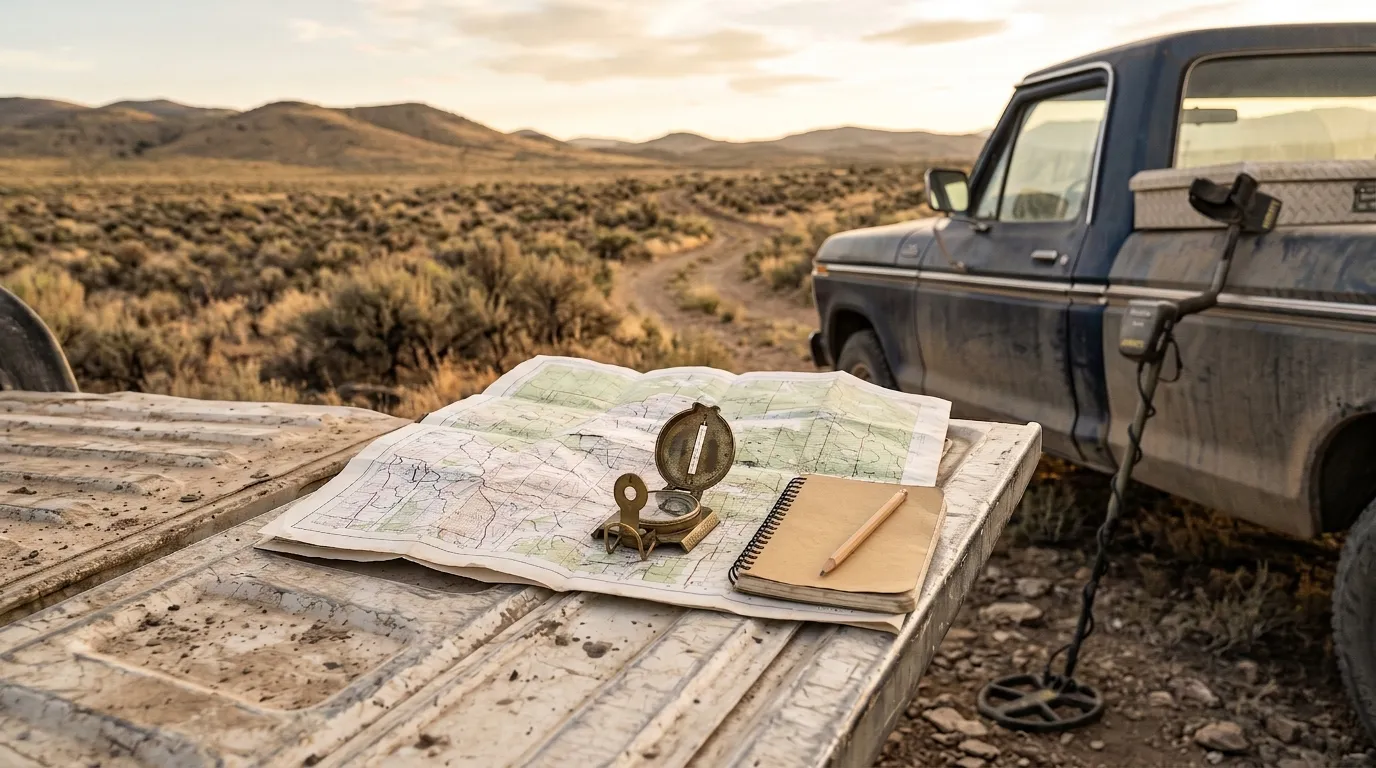
Oregon is one of the friendlier states for detecting and beachcombing. The ocean shore is open to metal detectors, many state parks have designated detecting areas, and you can take home a gallon of agates a day. The rules are specific, though, so it pays to read them.
This page summarizes the official rules as of the date above. It is not legal advice; rules change, so check with the land manager before you go. For the federal background, see is metal detecting legal?.
Quick answer
| Where | Metal detecting |
|---|---|
| Ocean shore (vegetation line seaward) | Allowed; small digging tools only, no digging in cliffs |
| State parks | Areas on the Detecting Allowed list; elsewhere written permission |
| State forests | Written permission of the Forester |
| ODFW wildlife areas | Digging or removing material needs a permit |
| Portland city parks | Most developed parks, plug method only |
| BLM land | Rock collecting allowed within limits |
| National parks | Prohibited |
State parks and the Detecting Allowed list
Oregon Parks and Recreation Department (OPRD) publishes a Detecting Allowed list on its website. Under OAR 736-010-0040, as amended in 2026, using a metal detector anywhere in a park not on that list requires written permission from the park manager. Violations are Class D, or Class A if park resources are damaged.
Examples on the list include Agate Beach State Recreation Site, developed areas of Face Rock State Scenic Viewpoint, the main day-use turf area at Smith Rock, and vacant campsites at Wallowa Lake from October 1 to April 30 for registered campers. OPRD notes the list can change, so check it before you go.
OPRD’s rules for detecting areas:
- Dig only with an ice pick, screwdriver or small knife; larger digging tools are prohibited.
- Leave turf and soil in their original condition.
- Leave anything of possible historic or cultural significance where you found it.
- Turn over articles worth over $250 to the park manager.
- Shipwrecks are protected archaeological sites.
The ocean shore
The Ocean Shore State Recreation Area covers Oregon’s beaches. Under OAR 736-021-0090, you may use a metal detector without a permit in the areas on the Detecting Allowed list, which for the ocean shore means the beach from the vegetation line seaward: wet sand and open sandy areas. Digging in cliffs is not allowed.
Without written permission, you may not dig up or remove sand, soil, rock, historical or fossil material beyond the collecting allowances below, and excavating or removing archaeological objects requires a permit.
Agates, shells and driftwood
Oregon’s ocean shore rules set clear collecting limits:
- Agates and other non-living items such as shells, stones and fossils loose on the ground: no more than a one-gallon container per person per day and up to three gallons per person per calendar year. Each person must use their own container.
- Driftwood: no more than one cubic yard per person per day and up to three cords per person per year. Wood embedded in the beach or dune banks may not be removed.
Violating ocean shore removal rules is a Class B misdemeanor under ORS 390.995, and each day counts as a separate offense. For what to do with your agates, see how to tumble agates.
Archaeology law
Oregon’s archaeology law reaches further than most: it covers private land too.
- An archaeological object is at least 75 years old and part of the physical record of an indigenous or other culture. Sites include shipwrecks, homesteads, townsites, camps and burials, and submerged lands and the seabed.
- No one may excavate, injure, destroy or alter an archaeological site or remove an archaeological object on public or private land without a permit under ORS 390.235. Permits go only to scientific or educational institutions and qualified archaeologists.
- One narrow exception: an arrowhead may be collected from the surface if no tool is used.
- Violations are Class B misdemeanors.
State forests and wildlife areas
- State forests: using a metal detector on State Forest land requires written permission of the Forester, and removing soil, rocks or minerals is prohibited.
- ODFW wildlife areas: a permit is required to dig or remove minerals, sand, gravel, rock or other material, and digging or disturbing artifacts on public land is unlawful.
City parks: Portland example
Portland Parks and Recreation’s policy allows recreational metal detecting in all developed parks except natural areas, wetlands, wildlife refuges, nature areas, Cully Park, Willamette Park, gardens, sports fields and off-leash areas. Only the plug method is allowed, with plugs no larger than 6 inches across; shovels, mattocks and augers are not. Other cities and counties set their own rules.
Federal land in Oregon
- BLM land: BLM’s Oregon/Washington rock collecting guide says individuals may collect a reasonable amount of rocks and minerals for non-commercial use, less than 250 pounds a day without a permit. Petrified wood is free up to 25 pounds a day plus one piece, and no more than 250 pounds a year. Arrowheads, flakes, old bottles and old equipment may not be collected. Popular areas include the Glass Buttes obsidian area and the public sunstone area.
- National parks, including Crater Lake and John Day Fossil Beds: possessing or using a metal detector is prohibited unless it is broken down and stored.
- National forests: disturbing or removing archaeological and historic resources is prohibited.
Before you go
- Check the current Detecting Allowed list.
- Bring only small digging tools in state parks and on the beach.
- Bring a one-gallon container per person for agates.
- Leave anything historic where it lies, on public or private land.
New to detecting? Start with metal detecting for beginners, and see our beach detector guide.
Get new guides by email
One short email a week with new detecting, rockhounding and tumbling guides. You also get our printable rock tumbling grit schedule.
No spam. Unsubscribe anytime. Privacy
Frequently asked questions
Can you metal detect on Oregon beaches?
Yes, on the ocean shore from the vegetation line seaward, which is on Oregon State Parks' Detecting Allowed list. Digging into cliffs is not allowed, and only small tools such as an ice pick, screwdriver or small knife may be used to dig.
Can you metal detect in Oregon state parks?
Only in areas on the state parks Detecting Allowed list, such as parts of Agate Beach, Sunset Bay and Smith Rock. Everywhere else in a park you need written permission from the park manager.
How many agates can I collect on the Oregon coast?
On the ocean shore, loose agates, shells, stones and fossils may be collected in small quantities: no more than a one-gallon container per person per day and up to three gallons per person per year, each person using their own container.
Do I have to turn in what I find?
In state parks, items worth over $250 must be turned over to the park manager, and anything of possible historic or cultural significance must be left where you found it.
Sources
- Oregon State Parks: Where can I metal detect?
- OPRD rulemaking PRD 4-2026, OAR 736-010-0040 (PDF)
- OAR 736-021-0090 (ocean shore), via Cornell LII
- ORS chapter 358 (archaeological objects and sites)
- ORS chapter 390 (state parks, ocean shores, archaeology permits)
- OAR 629-025-0040 (state forests), via Cornell LII
- OAR 635-008-0050 (ODFW wildlife areas), via Cornell LII
- Portland Parks: PRK-1.25 Recreational metal detecting in parks
- BLM Oregon/Washington: Rock collecting guide (PDF)
- 36 CFR 2.1 (national parks), via Cornell LII